
Upgrade the default messaging channel—without abandoning what already works
RCS brings richer, branded, app-like experiences inside the native messaging app where SMS already lives. For enterprises, CPaaS users, and aggregators, it is the natural next step after SMS—not a replacement for disciplined routing, consent, and deliverability.
Plain fact: RCS coverage varies by carrier, device, and region. We help you plan campaigns with SMS fallback and realistic expectations—no blanket promises of universal RCS reach.
In one sentence
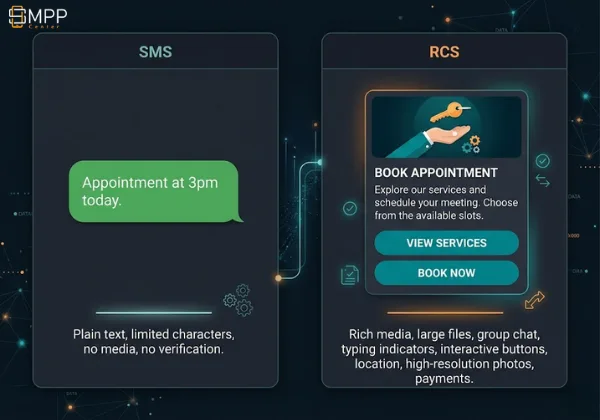
RCS vs SMS
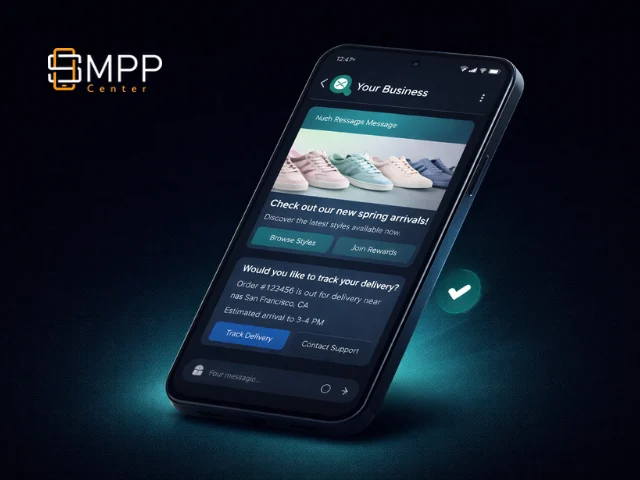
SMS is reliable, universal short text. RCS is rich business messaging in the same native inbox—supporting branded presentation, structured content such as cards and carousels, suggested replies and actions where supported, and read receipts in environments that expose them.
It is not a separate consumer chat network you bolt on blindly; it is an evolution of the messaging channel your operations team already knows, with patterns that map to template-led outbound, inbound flows, and reporting concepts familiar from CPaaS and A2P programs.
Why teams invest in rich messaging
Stronger engagement
Rich layouts and clear calls-to-action can improve how subscribers notice and respond—industry reports suggest uplift varies widely by use case and market. We focus on measurable flows (e.g. completed actions, session hand-offs) rather than vanity metrics.
Brand in the thread
Verified-style branding and consistent presentation reinforce trust in the native messaging app—closer to an app-like experience without forcing users to install another client.
Better conversion paths
Carousels, buttons, and suggested replies (where supported) shorten the path from message to action—useful for conversational commerce, appointments, and service flows when compliant with local rules.
Support & notifications
Rich content helps OTP follow-ups, alerts with imagery, and tier-one support scenarios where plain SMS is too limiting—always paired with consent and channel policies your legal team approves.
API-ready mindset
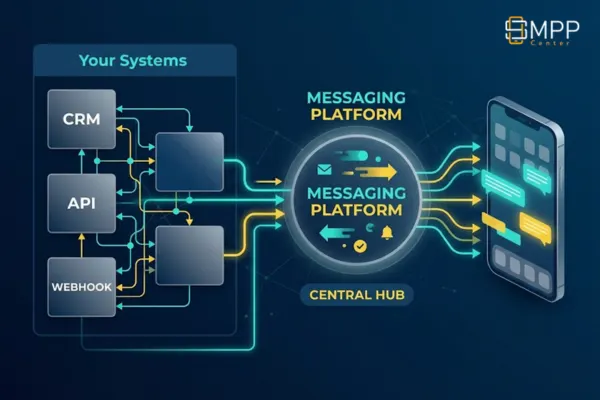
Template-based campaigns, webhooks for inbound and delivery-style events, and reporting aligned to your stack—we speak the same language as SMPP and HTTP API buyers.
Who RCS is for
Enterprises, CPaaS customers, aggregators, developers, and marketing or operations teams evaluating business messaging and enterprise SMS upgrades—not only engineering-led pilots.
OTP & alerts
Strong delivery discipline plus richer context when policy allows—without compromising the simplicity subscribers expect from transactional traffic.
Marketing (compliant)
Promotional and lifecycle use cases where regulations and opt-in frameworks permit—paired with clear consent records and suppression handling.
Customer support
Agent hand-off, structured menus, and rich FAQs in-thread—reducing friction compared to SMS-only back-and-forth.
Technical fit
We approach RCS with the same integration mindset as the rest of our messaging stack:
Templates & campaigns: Governed outbound aligned to carrier and platform rules—not ad-hoc freeform where it would break compliance.
Inbound & webhooks: Event-driven flows so your CRM, bots, or ticketing systems react to subscriber replies and state changes.
Reporting & delivery concepts: Visibility into what succeeded, what fell back, and what needs operational attention—without inventing proprietary metric names here; details are confirmed during solutions design.
Coexistence with SMS/SMPP: RCS as an upgrade path where supported; SMS where the subscriber or network does not expose rich messaging.
Trust, compliance & deliverability
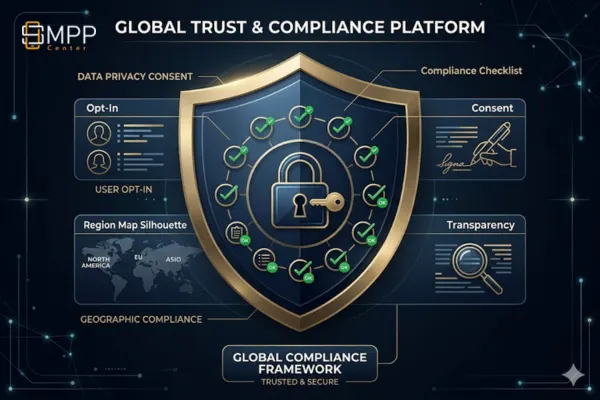
Rich messaging does not remove the need for consent, quiet hours, and regional rules. We frame implementations around opt-in, auditable preferences, and clear unsubscribe paths where required.
Deliverability remains a carrier ecosystem reality: RCS availability and feature depth differ by market and operator. We are upfront about that—planning mixed RCS/SMS strategies instead of implying identical reach everywhere.
No fabricated certifications or guaranteed open rates on this page; what we promise is operator-aware guidance and a platform team that understands how messages actually move at scale.
Why SMPP Center for RCS?
We are not positioning as a generic chat app vendor. SMPP Center lives in SMPP, high-volume A2P, and operator workflows. RCS is a natural extension for customers who already trust us with carrier-grade messaging—same seriousness about routing, scale, and hand-offs to your NOC or operations team.
Getting started
A practical path from first conversation to production-minded rollout:
1. Discovery
Share regions, use cases (OTP, marketing, support), volumes, and existing SMS or CPaaS integrations. We map where RCS is realistic versus SMS fallback.
2. Design & compliance
Templates, consent language, and webhook targets shaped with your legal and ops teams—before traffic scales.
3. Pilot & expand
Measure delivery, engagement, and operational load; widen segments as data supports it. Optional: request a demo or talk to solutions via our contact channels.
Ready for the next step?
Prefer email? Use service@smppcenter.com with “RCS” in the subject line.
FAQ
RCS messaging — common questions
Client Feedback
What Our Clients Say
Our clients run regulated, high-volume messaging infrastructure and prefer not to be named publicly. These testimonials are shared with permission while keeping commercially sensitive details confidential.
We evaluated several messaging platforms before selecting SMPP Center. The deployment flexibility and API capabilities matched our enterprise requirements.
High throughput, intelligent routing, and detailed monitoring have significantly simplified our messaging operations.
We needed complete control over our messaging infrastructure instead of relying on a hosted provider. The platform has delivered excellent performance and reliability.
The delivery reports and routing controls give us the visibility we were looking for. The system has integrated well with our internal applications.
Names and company details are withheld at our clients' request. This is common among telecom providers, SMS aggregators, fintech companies, and enterprises that consider their messaging infrastructure commercially sensitive.